
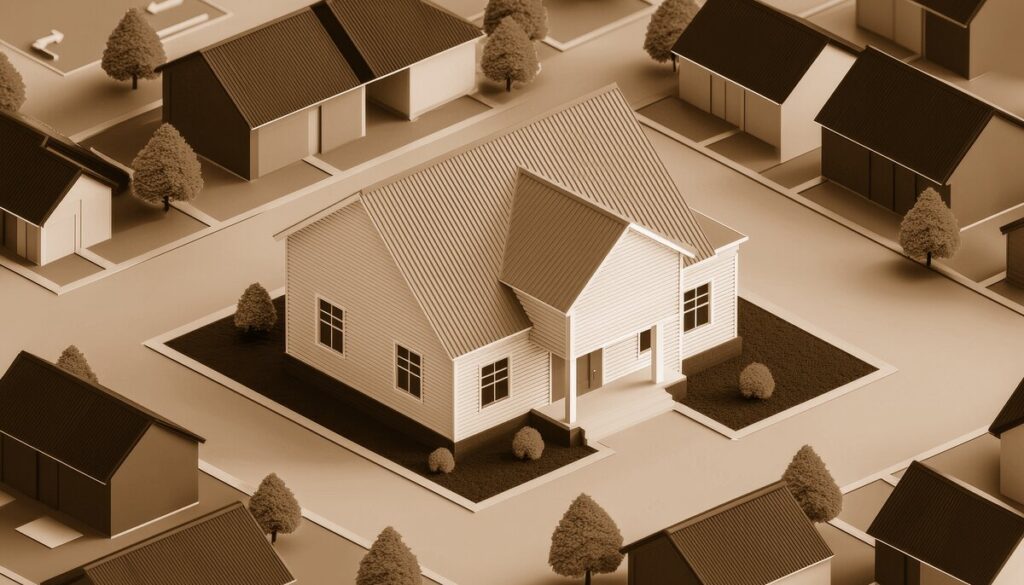
Nestled on Roseville’s eastern edge, hugging the border between Roseville and St. Paul, Capital View is more than just a name on a map—it’s a neighborhood that brims with stories, friendly faces, and a rich heritage that locals cherish. This is the spot where generations have grown up, families have put down roots, and the heart of Roseville’s history beats quietly but proudly.
The Origins of Capital View
Capital View’s beginnings date back to a time when most of Roseville was still open farmland. As St. Paul’s urban boundaries pushed northward in the early 20th century, this area began to attract settlers looking for space and a sense of community just outside the busy city. The allure was simple: breathtaking, elevated views of the Minnesota State Capitol dome, especially before trees matured and cityscapes changed. Locals and visitors alike would stand atop the gentle hills along streets like Larpenteur Avenue, gazing south toward the gleaming Capitol—thus, “Capital View” was born.
By the 1940s and 1950s, as the Twin Cities expanded rapidly after World War II, Roseville blossomed into a sought-after residential hub. Eager homebuyers were drawn to the promise of quiet streets, great schools, and easy access to both Minneapolis and St. Paul. The Capital View area flourished, its grid of leafy roads—like Dale Street, Roselawn Avenue, and Cohansey Boulevard—becoming one of the city’s first true neighborhoods.
Key Milestones and Moments
Over the decades, Capital View has played host to countless changes, both big and subtle. Some key milestones in its history include:
- Postwar Population Boom: Between 1945 and 1960, the majority of the area’s classic Cape Cods and ramblers sprang up almost overnight. Families, many of them WWII veterans, made their new start here.
- School Spirit: The opening of Brimhall Elementary, just blocks from the neighborhood core, became a rallying point for local families. Generations of students have walked or biked to class, and the school remains a beloved institution.
- Community Advocacy: When the construction of Highway 36 threatened to divide Roseville in the 1960s, Capital View residents were at the forefront of civic discussions, helping shape plans that prioritized neighborhood integrity.
- Preservation of Green Spaces: Central Park, stretching west of Capital View, has long served as the neighborhood’s “backyard.” Through neighborhood support, these open areas have stayed lush, accessible, and connected by walking paths.
Notable Landmarks and Institutions
While most of Capital View’s charm comes from its friendly blocks and cozy homes, a handful of landmarks and institutions define its spirit:
- Acorn Park: Quietly tucked away off Dale Street, this modest but well-loved park offers playgrounds, tennis courts, winter sledding, and neighborhood gatherings. Its mature oaks and tranquil ambiance have made it a destination for families year-round.
- Brimhall Elementary School: Opened in 1959, Brimhall isn’t just a place of learning, but also a cornerstone for the community. The school’s fields and playgrounds become the scene of everything from fall soccer to spring picnics.
- The Historic Homes: While the majority of homes reflect mid-century design, pockets of older, pre-war houses still accent select corners, reminding neighbors of Capital View’s earlier days.
- Streetscapes: Streets like Cohansey Boulevard and Transit Avenue showcase the neighborhood’s classic postwar layout—with broad boulevards, roomy lots, and an abundance of shade trees.
Evolution Over the Decades
What’s remarkable about Capital View is not just how it’s changed, but how much it has stayed true to its roots. Over the years:
- Aging Gracefully: Many homes have been lovingly maintained and updated, but residents prize the original architecture and sensible layouts that make Capital View so livable.
- A Welcoming Spirit: As new generations move in, the neighborhood remains tight-knit. Block parties, walking groups, and school carnivals are a living testament to the sense of belonging here.
- Commitment to Nature: Walking trails connecting Capital View to Central Park and adjacent neighborhoods have been expanded, encouraging outdoor recreation. Residents often meet along the boardwalks or gather for birdwatching and picnicking.
- Diverse and Inclusive: Recent years have seen a growing diversity among residents, enriching neighborhood events and the cultural fabric of local schools.
A Neighborhood With Heart
Ask any longtime resident what makes Capital View special, and you’ll likely hear stories about summer lemonade stands on St. Albans Street, or winter evenings spent sledding at Acorn Park. The streets are quieter here, but the community life is vibrant, underpinned by neighbors who look out for each other.
The pressures of modern development swirl around the Twin Cities, but in Capital View, the legacy of scenic outlooks, strong community institutions, and dedicated neighbors holds strong. Whether you’re admiring the cityscape from Roselawn Avenue or exploring the creeks near Central Park, you’re catching a glimpse of what makes this neighborhood a true Roseville treasure.
For those who live here—and those lucky enough to visit—Capital View isn’t just a place on a map. It’s a living tribute to the values that built Roseville: connection, stewardship, and pride in a shared history.